integrated metrology community.

TRANSPORTATION AND MOBILITY
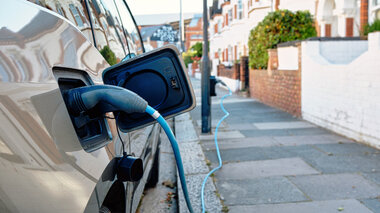
About 35% of greenhouse gas emissions in Europe are caused by transport, which is also responsible for most air pollution in European cities. The European Commission has prepared their ‘Sustainable and Smart Mobility Strategy’ that aims to aid the development of a smart, competitive, safe, accessible and affordable transport system. The objectives for this strategy include making zero-emission large aircrafts market-ready by 2035 and nearly all cars, vans, buses and heavy-duty vehicles zero-emission by 2050.
EURAMET has supported the transition towards more sustainable transport options by funding projects working on carbon-neutral alternatives to fossil fuels such as hydrogen fuel or improving the energy efficiency of railways. Additionally, the European Metrology Network for Clean Energy and Energy Gases both support the transition towards a sustainable transport system.
Many EURAMET projects have supported metrology for transport and mobility, inlcuding the ones listed below:
RELATED CASE STUDIES
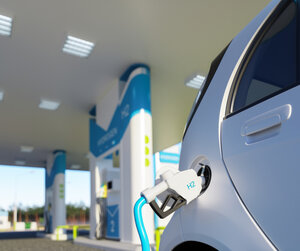
A new field test standard for hydrogen refuelling stations
Hydrogen is rapidly developing as a carbon-neutral alternative to fossil fuels, including as a fuel source for vehicles. Support is required to grow and maintain a robust hydrogen infrastructure and to meet the requirements of European legislation. However, these requirements were not being met as there was a lack of available hydrogen measurement methods and standards.
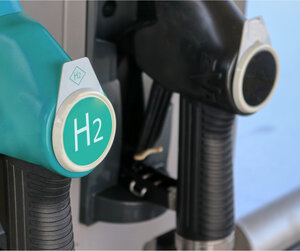
A new flow instrument to support the use of hydrogen as a clean transport fuel
Europe aims to be carbon-neutral by 2050, making it the first continent in the world to be so. To achieve this requires an increase in the use of renewable forms of energy. Hydrogen is a clean energy gas but its use as a transport fuel has been hampered by a lack of metrologically validated instruments.
RELATED NEWS STORIES

New joint research project on improving energy efficiency for railways
Providing increased confidence in the use of instrumentation to harvest waste energy in the transport system.
Read more >>

EMPIR project develops new method that will save energy on railway lines
Providing increased confidence in the use of instrumentation to harvest waste energy in the transport system.
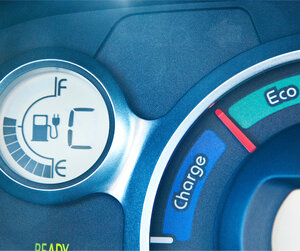
A new measurement system for measurements at vehicle inductive charging stations
EMPIR project enables new power measurements to support safe and efficient charging of low carbon electric vehicles.