integrated metrology community.

GREEN BUILDING AND CONSTRUCTION
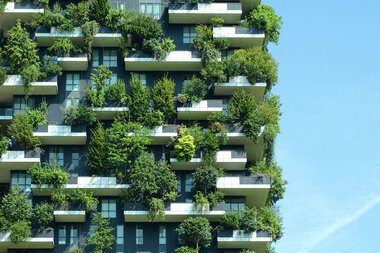
Green building and construction concerns several areas, from the sustainability and energy-efficiency of the materials, such as high-performance insulation or solar panels, and the use of renewable energy throughout the construction process. ‘Eco-friendly’ buildings have features that improve the quality of the environment it is located in, for example by improving the air quality with plant-covered buildings. This also supports the United Nation’s sustainability goal 11 ‘sustainable cities and communities’.
EURAMET has supported projects that wanted to improve the metrological network surrounding green building and construction, such as projects working on passive radiative cooling technologies.
Many EURAMET projects have supported metrology for green building and construction, inlcuding the ones listed below:
RELATED CASE STUDIES
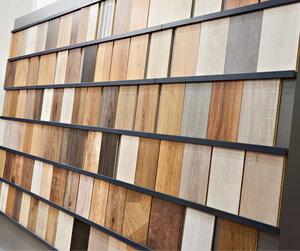
Accurately measuring indoor pollutants
Many manufactured products in homes and offices, such as building materials and furnishings, can emit chemical vapours which make people feel ill. EU directives require samples of these materials to be tested to ensure emissions stay within safe limits. But this process is complex, and testing labs need more sophisticated reference materials to confirm their instruments are accurately measuring the wide variety of chemical vapours that these materials can emit.
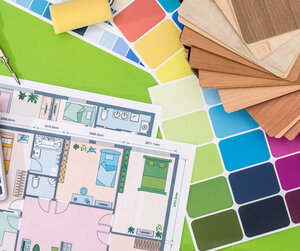
Formaldehyde emissions monitoring
Formaldehyde, emitted from furnishing and construction materials and from the combustion of organic materials, can cause health problems. Regulations govern safe limits, and monitoring systems check these are not exceeded. Gas standards – cylinders with accurate formaldehyde amount fractions – are used to calibrate these systems, but as air quality limits become stricter, new methods are required for producing standards with lower, stable amount fractions to confirm the performance of monitoring instrumentation.
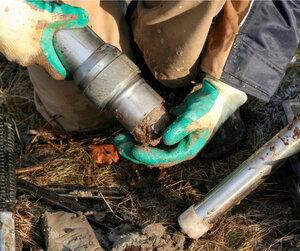
Detecting contaminants in soil
Companies building on sites contaminated by previous industrial use, must first perform soil analyses to identify pollutants. Measurement traceability is underpinned by reference materials that need to closely match real-world samples. Increasing the capability of National Metrology Institutes (NMI) in emerging EU member states to produce these materials and perform proficiency exercises is essential to harmonise SI traceability in environmental monitoring throughout Europe.
RELATED NEWS STORIES
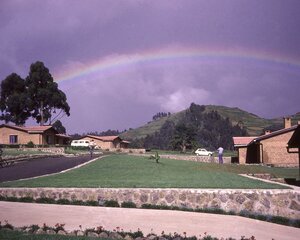
Partnership project helps improve the thermal comfort of public buildings in Rwanda and South Africa
Working with external project Cool White to test and suggest improvements on the locally available white paints.
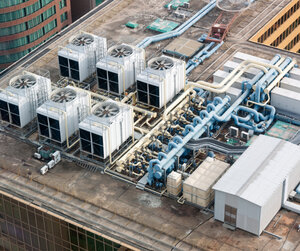
EURAMET project on passive radiative cooling technologies collaborates with SPACECOOL in Japan
Developing metrological frameworks to standardise new passive cooling materials and test them under real-world conditions.
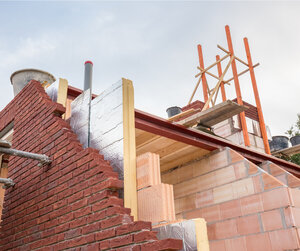
EMPIR project improves emissivity measurements
Research helps to ensure more reliable measurements for thermal insulation
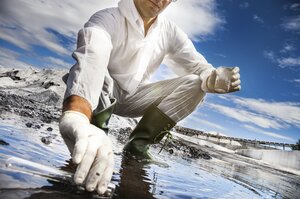
EMPIR Capacity Building project enables analysis of environmental materials
Joint research project extends environmental pollution monitoring capabilities for water and soil to new European countries.