integrated metrology community.

ENERGY EFFICIENCY AND RENEWABLE ENERGY

As part of the European Green Deal, the European Union aims to reduce greenhouse gas emissions by at least 55% by 2030 and achieve no net emissions of greenhouse gases by 2050. At the moment 75% of the EU’s greenhouse gas emissions are caused by the production and use of energy. Decarbonising the energy grid and switching to ‘greener’ renewable energy sources is vital to achieve the objectives of the European Green Deal.
EURAMET has funded energy projects throughout the research programmes of EMRP, EMPIR and the Metrology Partnership. The projects have been able to address a wide range of metrological issues regarding energy efficiency and renewable energy sources, such as the better quantification of parameters across the entire energy chain, from generation, transmission and eventual consumption. Additionally, EURAMET supported the formation of the European Metrology Network for Smart Electricity Grids, Energy Gases and Clean Energy.
Many EURAMET projects have supported metrology for energy efficiency and renewable energy, inlcuding the ones listed below:
RELATED CASE STUDIES
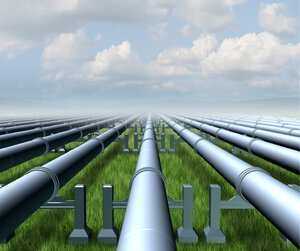
A new sensor for the liquid natural gas grid
The use of liquid natural gas (LNG) as a fuel is an essential step towards making Europe carbon neutral. However, accurate knowledge of its composition, which varies depending upon the location of its extraction, and can change upon transportation and storage, is vital to ensure confidence in the trade and uptake of LNG.
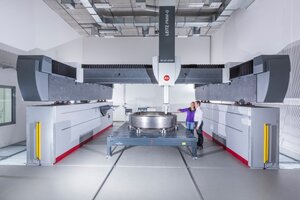
Improving wind turbine reliability
Wind power capacity has grown rapidly over the last decade and will need to continue to grow in line with efforts to meet EU targets for renewable energy generation. However, manufacturing quality issues of the gearing used in wind turbines limited overall reliability and returns on investment. Manufacturers lacked suitable measurement standards for these large components, while the complexities of measuring gear quality undermined confidence in measurement solutions.
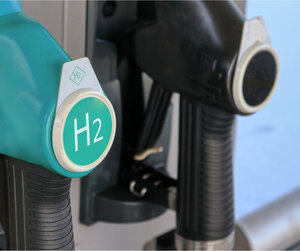
A new flow instrument to support the use of hydrogen as a clean transport fuel
Europe aims to be carbon-neutral by 2050, making it the first continent in the world to be so. To achieve this requires an increase in the use of renewable forms of energy. Hydrogen is a clean energy gas but its use as a transport fuel has been hampered by a lack of metrologically validated instruments.
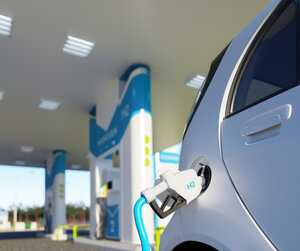
A new field test standard for hydrogen refuelling stations
Hydrogen is rapidly developing as a carbon-neutral alternative to fossil fuels, including as a fuel source for vehicles. Support is required to grow and maintain a robust hydrogen infrastructure and to meet the requirements of European legislation. However, these requirements were not being met as there was a lack of available hydrogen measurement methods and standards.
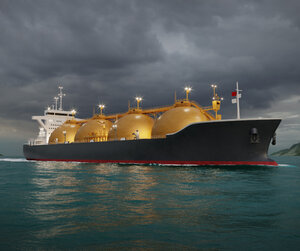
Ensuring confidence in liquid natural gas composition
Liquid natural gas emits lower greenhouse gases than other petrochemicals and one tenth of the pollutants of coal when combusted. Accurate characterisation of the energy gases it contains is essential for confidence in billing and the purchasing chain. A new instrument is now available with the potential to provide better measurements to ensure fair trade in the gas network.
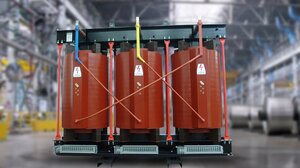
Ensuring the applicability of tests for high voltage networks
To reduce power loss during transmission electricity networks are transitioning from high voltage alternating current to more efficient high voltage direct current .However, existing international standards detailing methods to protect connected instrumentation were not intended for high voltage direct current. New methodology to update standards is required to prevent grid component failure, power losses and blackouts endangering future electricity supplies.

Metrology to protect the high voltage grid
European electricity networks are upgrading to better integrate renewable energy and increase efficiency. To reduce electrical waste transmission system voltages are changing – but tests designed to protect connected grid instrumentation had not been assessed for these new levels. Without new metrology electrical problems could go undetected, resulting in component failure, compromising power supplies.
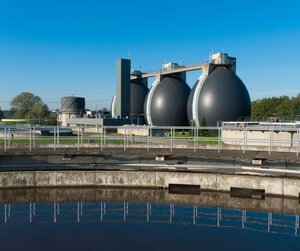
Ensuring biogas quality for gas grids
Diversifying Europe’s energy supply by introducing more biogas and biomethane will reduce reliance on imported natural gas and help achieve greater energy security. However, these gases, produced from effluents and landfill sites, must meet stringent quality requirements laid out in EU Directives before entering the gas supply network. Accurately determining impurities using reliable and standardised measurement methods is essential to speed their introduction.
RELATED NEWS STORIES
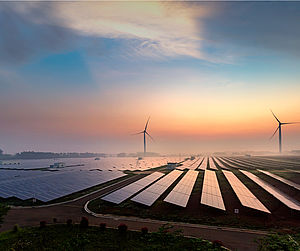
New joint research project on improving energy efficiency for railways
Providing increased confidence in the use of instrumentation to harvest waste energy in the transport system.

Reducing the power consumption of next-generation telecommunication devices
A completed EMPIR project has made the first steps to reduce the energy consumption of next-generation telecommunication technologies.
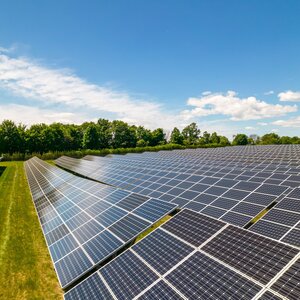
Photovoltaic module training course freely available
New energy rating metrics will provide better, fairer testing of emerging photovoltaic technologies
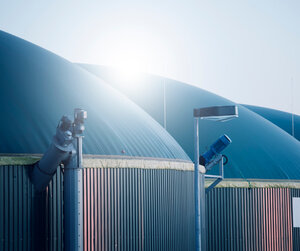
EMPIR project on biomethane contributes to several ISO projects
Methods proposed by the project have been accepted by an ISO working group, as part of a standards collaboration with CEN.
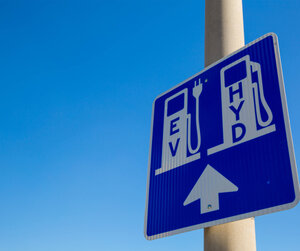
New EMPIR project on hydrogen fuel measurement draws attention from industry
More than 90 delegates attended online event supporting development of standardised measurement methods for hydrogen fuel.