integrated metrology community.

News
EMPIR project develops methods to measure clinical markers of heart diseases
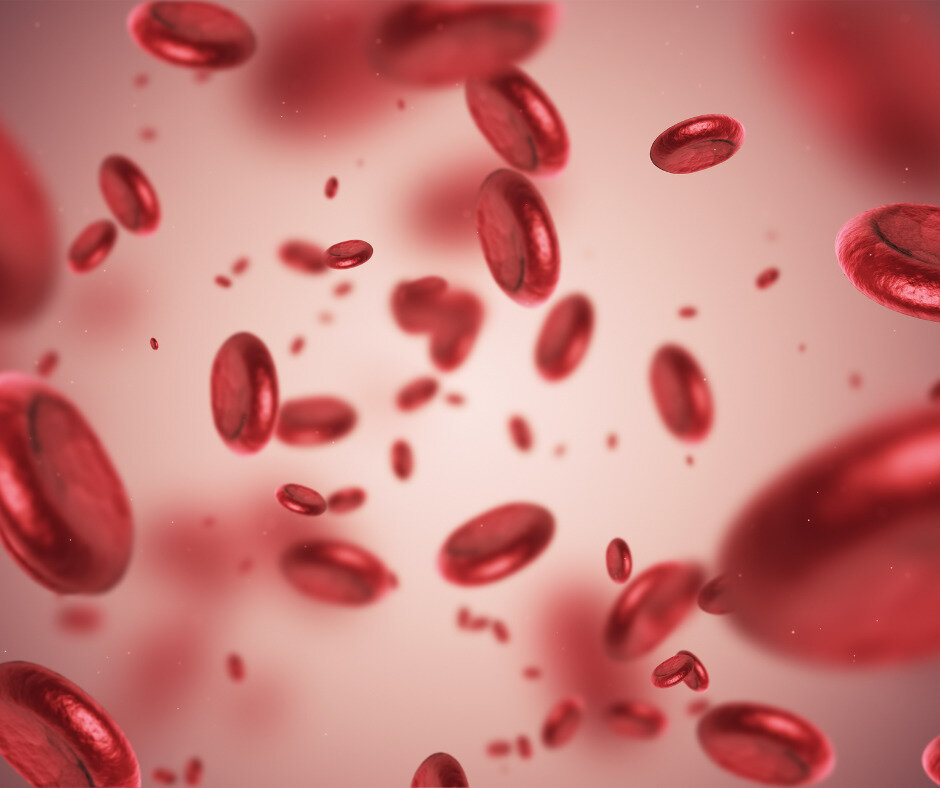
3D render of red blood cells
New reference methods will improve the diagnosis and treatment of cardiovascular diseases
Over 11 million people are diagnosed with cardiovascular diseases every year in the EU, with these diseases contributing to around 1.8 million annual deaths.
Certain clinical markers in blood plasma are used to guide diagnosis and treatment of cardiovascular diseases. High-sensitivity cardiac troponin (cTn) tests are life-saving in acute coronary syndrome, while brain natriuretic peptides (BNP) can be used to identify patients with heart failure and apolipoproteins give clues to refine diagnosis and treatment of atherosclerotic cardiovascular disease (ASCVD). Therefore, it is important that these tests produce interchangeable test results across all levels of care, including at different times and in different locations.
However, a lack of reference measurement procedures (RMP) and materials for calibration in laboratories has led to variations in measurements of up to 60 % between laboratories, even when using the same diagnostic reagents and equipment, which can result in misdiagnosis.
EMPIR project Providing the measurement infrastructure to allow quantitative diagnostic methods for biomarkers of coronary heart diseases (18HLT10, CardioMet) has worked to improve diagnosis of cardiovascular diseases by developing RMPs for measuring clinical markers, thereby reducing measurement uncertainty and increasing analytical sensitivity.
New measurement procedures
The CardioMet project has worked in close cooperation with the working group on quantifying apolipoproteins with mass spectrometry (WG APO MS) of the International Federation of Clinical Chemistry and Laboratory Medicine (IFCC) to produce a new RMP for apolipoproteins. The method was assessed through an interlaboratory comparison between three IFCC laboratories, demonstrating that harmonisation of measurements for apolipoproteins is possible. A future RMS currently implemented by the IFCC WG APO MS will be based on this work, with SI traceability provided by calibration and secondary reference materials also characterised within the project.
Other project achievements
- cTn calibration procedures
The project, working closely with the IFCC working group for troponin I (WG-TNI), developed RMPs to quantify cardiac troponin, a protein which is released by the body during a heart attack and can be used as a clinical marker for coronary heart diseases. These RMPs will be used to assess calibration materials developed by the project. During this work, project coordinator Claudia Swart (PTB) also became the Chair of the working group, and the partners have continued their cooperation.
- New IFCC working group
During the project, it was shown that O-glycosylation (the attachment of sugar molecules to a protein) can affect measurements of certain brain natriuretic peptides when using immunoassays, tests which quantify the concentration of a target molecule in a sample by measuring its reaction with an antibody. This has shown the need for improved, standardised measurements in this area and has led to the proposal and acceptance of a new IFCC working group on natriuretic peptides.
- New publication
An article by the project, titled “Development of an LC-MRM-MS-Based Candidate Reference Measurement Procedure for Standardization of Serum Apolipoprotein (a) Tests”, has been published by the journal Clinical Chemistry. The paper details the project’s work to develop a new RMP for measuring apolipoprotein using mass spectrometry, which is antibody-independent and SI-traceable.
Project coordinator Claudia Swart (PTB) has said of the project’s work:
“With an aging society and the current curative approach for patient management, heart diseases will continue to be a major health issue in Europe. Therefore, many patients will benefit from more reliable and comparable results which will enable more reliable diagnoses. Results from this project will support future reference measurement systems for these relevant clinical markers, which are necessary to ensure the equivalence of results between different laboratories and methods.”
This EMPIR project is co-funded by the European Union's Horizon 2020 research and innovation programme and the EMPIR Participating States.
Want to hear more about EURAMET?
Information
- EMPIR,
- Health,
- EMN Traceability in Laboratory Medicine,

Developing a metrologically-based field assessment of glare and obtrusive light more

Standardising industrial procedures for the magnetic properties of devices leading to the improved quality of a wide variety of products more
Implementing quantum-based pressure measurement techniques in European industries more

Developing reference materials for mass spectroscopy to monitor radioactive and stable isotope pollution in the environment more

Development of the metrological network needed to realise and implement 6G technology more