
Metrology to support ammonia use in emerging applications
Short Name: MetNH3Energy, Project Number: 24GRD01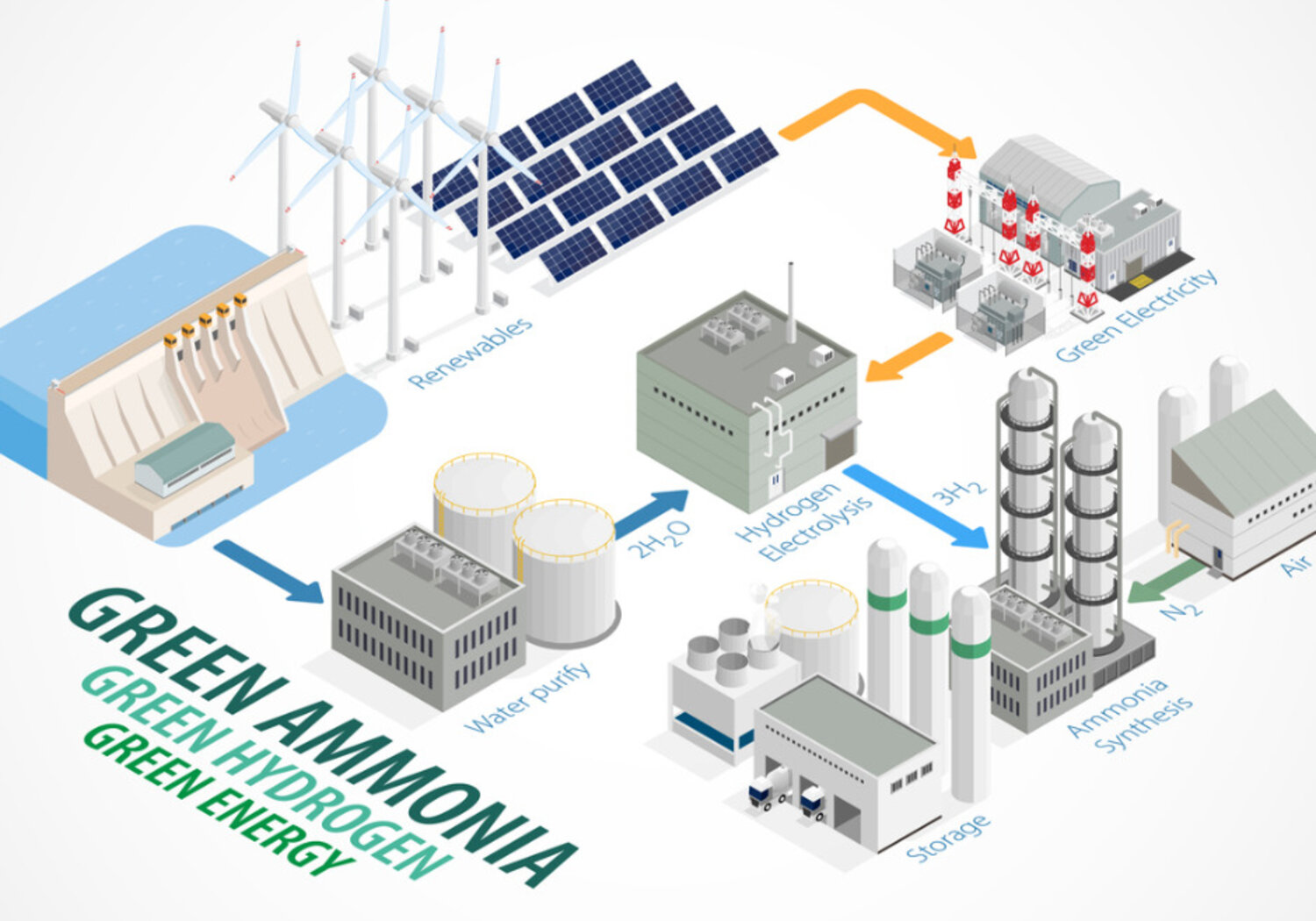
Developing the infrastructure for ammonia trade to support its use as a carrier of the clean energy gas hydrogen
The EU, through its Green Deal, aims to become carbon-neutral by 2050, replacing the use of fossil fuels with renewable energy source. Hydrogen (H2) is a ‘clean fuel’ produced through the electrolysis of water or the cracking of methane.
The transport and storage of hydrogen is problematic, however; it is an explosive gas which is only liquid at very low temperatures (-253 oC). An attractive alternative is to transport hydrogen in the form of ammonia (NH3) which is non-explosive and a liquid at much higher temperatures (- 33 oC). To fully utilise ammonia as a hydrogen energy carrier there are many critical gaps in the present infrastructure. The ‘cracking’ of ammonia to generate hydrogen can produce many impurities including carbon monoxide, carbon dioxide, hydrogen sulphide, and sulfur dioxide. These can degrade hydrogen fuel performance and ‘poison’ hydrogen fuel cells or can leak into the atmosphere, posing environmental risks.
This project will address these issues, providing new refence materials for priority pollutants and determine traceable monitoring methods for accurately quantifying ammonia leaks. It will develop traceable, real-time emission monitoring techniques to understand the effect of impurities on pollutant formation. It will also assess the performance of sensors in harsh ammonia environments and investigate the use of alternative fluids and optical methods for calibrating ammonia gas and liquid flow meters.
This work is anticipated to support the entire hydrogen chain by enhancing ammonia trade, improving emission monitoring and leak detection, benefiting both businesses and supporting the EU’s sustainability goal.