
Trustworthy and quality-assured quantitative magnetic resonance imaging
Short Name: APULEIO, Project Number: 24DIT01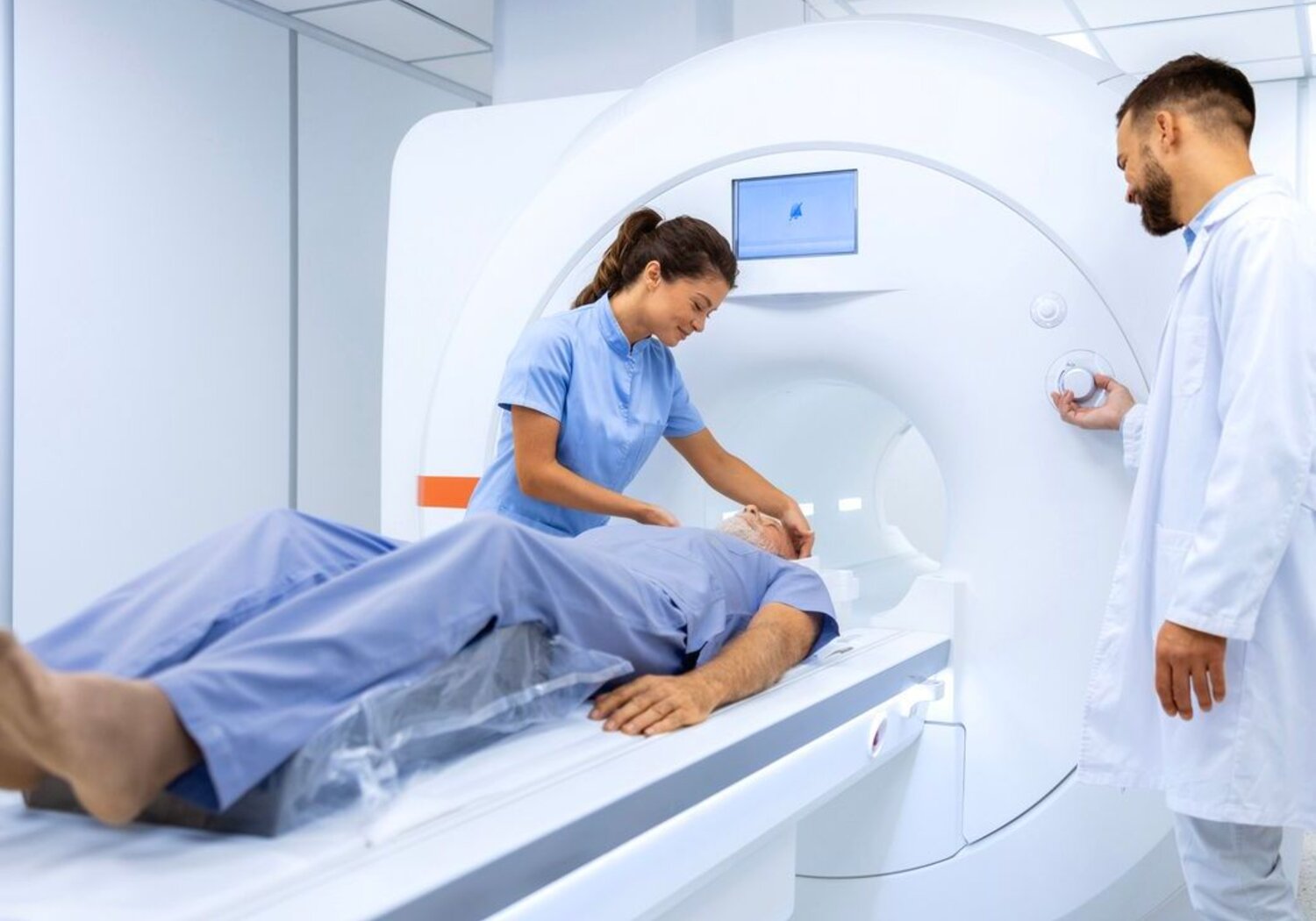
Developing quality-assured digital tools to bring quantitative measurements to Magnetic Resonance Imaging
European Health policy aims to support the modernisation and digitalisation of health systems and infrastructure to protect and improve the health of EU citizens. One area that could benefit from digitisation strategies is Magnetic Resonance Imaging (MRI) where magnetic fields and radio waves are used to produce detailed images of the inside of the body. However, MR images are qualitative not quantitative and not directly comparable between different MRI scanners or scans made at different locations. Recently, quantitative MRI (qMRI) techniques have emerged, such as Magnetic Resonance Fingerprinting (MRF) and Electric Properties Tomography (EPT). These can apply measurement uncertainty to individual pixels of an image, allowing direct comparability of measurements across devices, and are suitable for automated methods. The reliability of these approaches still remain an issue, however, due to the complexity of the measurement pipeline.
This project will develop digital twins, and virtual patients suitable to test EPT and MRF approaches. Databases of interoperable reference datasets and quality-assured toolboxes will also be established, allowing validated principles to be applied to bring an automated approach to pixel-wise uncertainty estimations for MR images.
The digital simulations can be used for training and medical planning in clinics and the validation of qMRI will allow manufacturers to extend the capabilities of their instruments without requiring significant changes to existing hardware.
In the long term, the comparability brought to into medical imaging will simplify scheduling and reduce waiting times, because of the possibility to perform follow-up qMRI exams in different places.
Journal of Magnetic Resonance Imaging
Journal of Magnetic Resonance Imaging