
Metrology support for particulate matter metrics in the revised EU Air Quality Directive
Short Name: AIRQMET, Project Number: 25REG02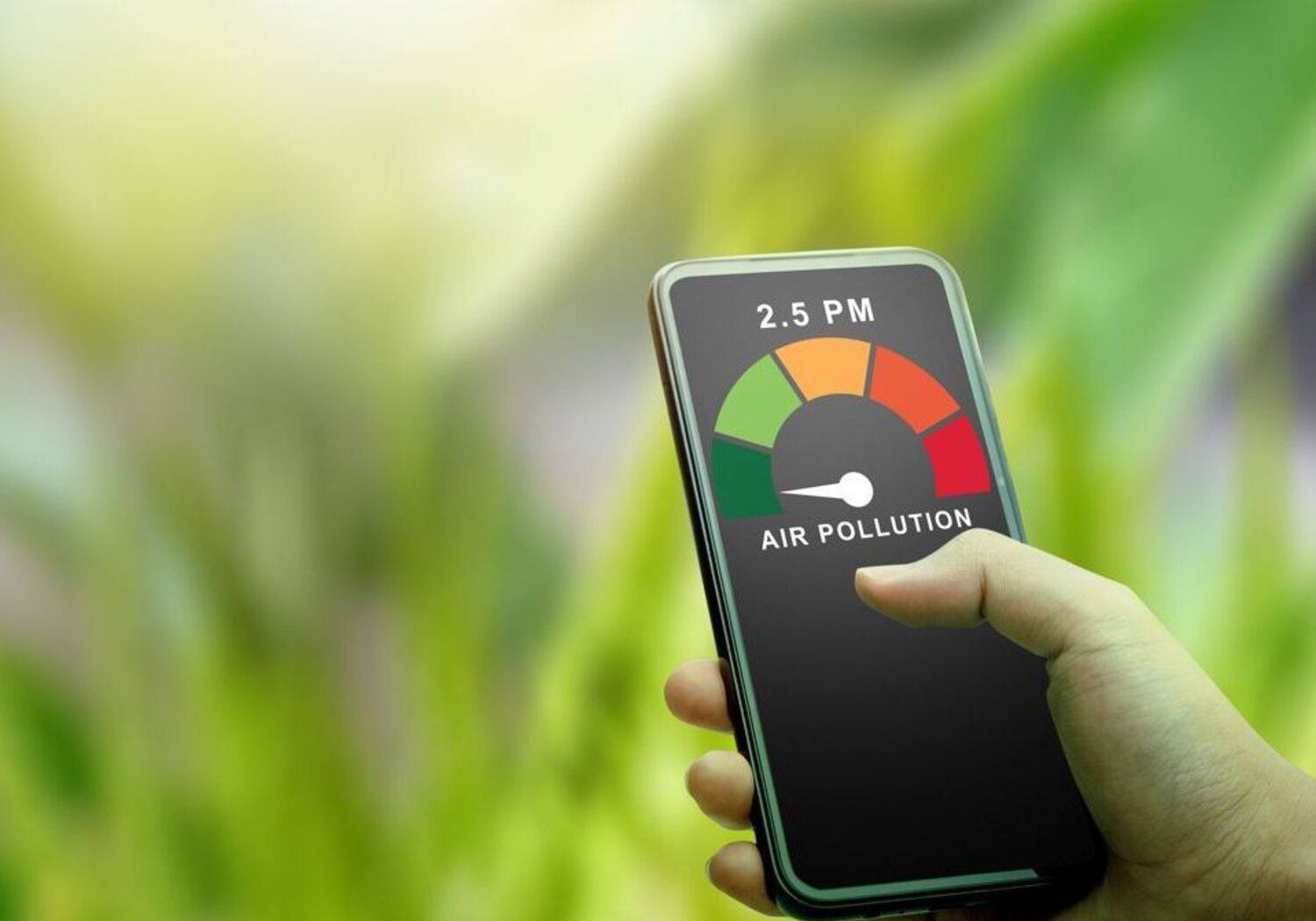
Providing the metrological tools to ensure compliance to new legislation for improved air quality
Fine particulate matter (PM2.5) and black carbon (BC) in the air from the burning of fossil fuels caused over 180 000 premature deaths in Europe in 2023. In 2024, the EU Air Quality Directive (AQD) was revised, reducing permissible PM2.5 atmospheric levels from 25 μg/m³ to 10 μg/m³ by 2030, and introducing compulsory monitoring of BC to gather data on this emerging pollutant. PM2.5 levels are calculated using Particle Number Concentration (PNC) and Particle Number Size Distribution (PNSD), but the AQD contains no reference methods for either of these parameters. The 2024 EN standard EN 16976:2024 details the use of condensation particle counters (CPC) for PNC measurements – however, CPCs are currently expensive, complex, and often use toxic solvents such as n-butanol. For PNSD measurements, only a technical specification exists which still requires validation before it can become a European standard. In addition, instruments for measuring BC currently lack SI traceability and feature sample-dependent artefacts.
This project will develop a test procedure for measuring atmospheric PNC using affordable CPC, which will be assessed in a range of different environments. A new EN standard for PNSD measurements will be initiated, which will be validated through interlaboratory comparisons. Building on the EURAMET project STANBC, it will also develop transfer standards and calibration procedures for BC measurements.
This work will support the implementation of the revised AQD, promote the take up of improved methods and technologies by standardisation bodies, and importantly help reduce the health burden due to polluting particles in the atmosphere.