
Metrology for harmonisation of field isotope ratio measurements
Short Name: MetHIR, Project Number: 24GRD03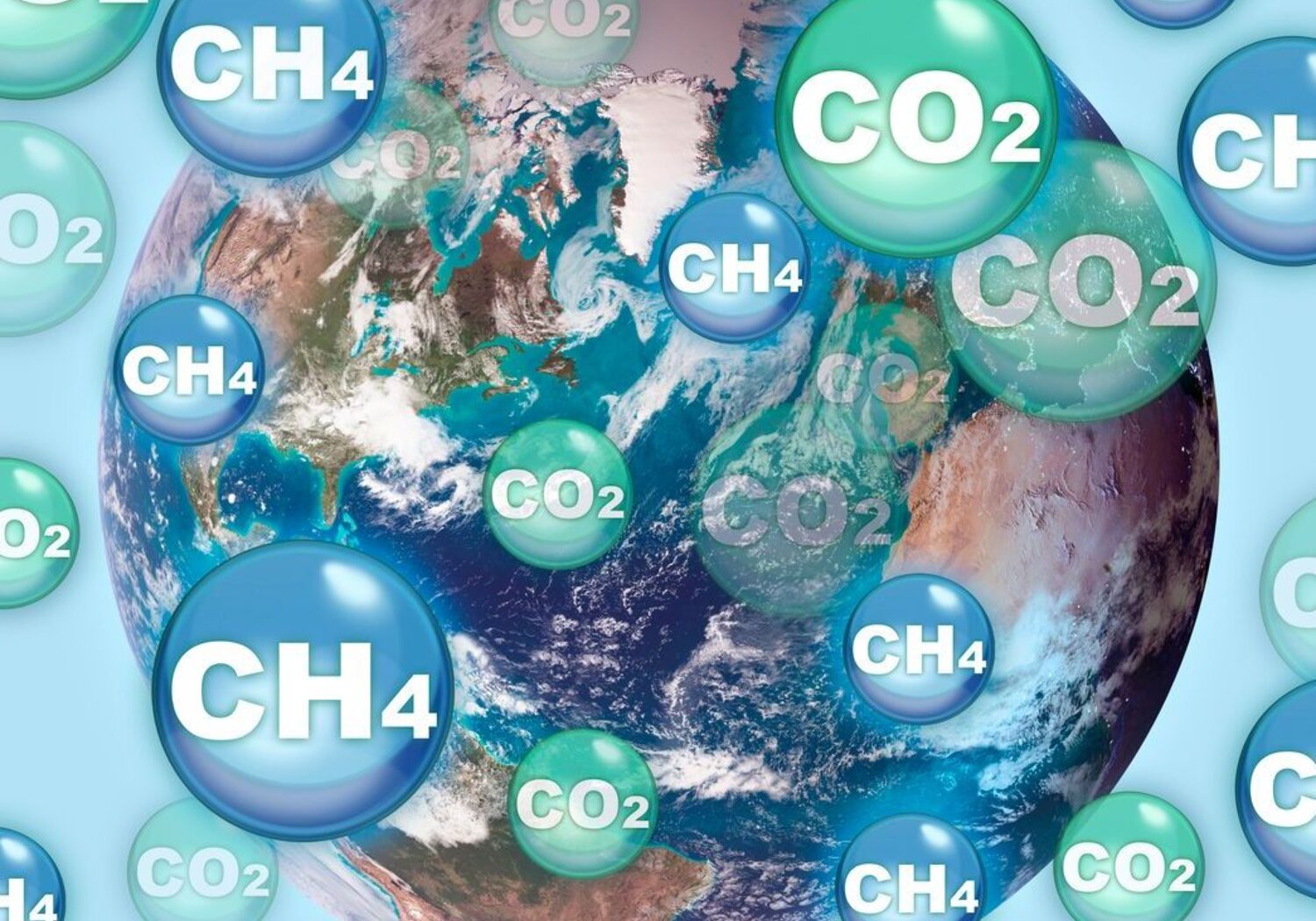
Providing the metrology to better identify the source of greenhouse gases driving climate change
Greenhouse gases (GHG) driving climate change, such as carbon dioxide (CO2), methane (CH4), and nitrous oxide (N2O), are continuously increasing. The Paris Agreement, a legally binding international treaty, aims to minimise global temperature rise to below 2 oC by the end of the century. However, the World Meteorological Organization (WMO) reported a global mean CO2 concentration increase of about 2.2 ppm from 2021 to 2022, and CH4 and N2O levels have increased more than the mean over the last 10 years. If these trends continue the target set in the Paris Agreement will not be met.
Natural emissions can be distinguished from anthropogenic sources based on their isotopic composition. This can be used to pinpoint emission sources, study GHG formation processes, their biogeochemical and atmospheric cycles, and guide mitigation measures.
Atmospheric monitoring networks, such as the Integrated Carbon Observation System (ICOS) currently collect samples in flasks and analyse isotopes in laboratories. Isotope ratio measurements made in the field are needed to complement these and overcome the temporal limitations and costs associated with flask sampling.
This project will identify, or develop, the best isotope Certified Reference Materials (CRMs) for N2O, CO2 and CH4 and use these to calibrate instruments based on laser spectroscopy and mass spectrometry. These will then be applied at networks to improve the uncertainty and compatibility of on-site measurements.
This will provide monitoring networks with more harmonised measurements for identifying GHG sources and how these are transported in the atmosphere, improving mitigation steps and helping to offset the worst effects of climate change.