Over the last few centuries, carbon trapped by millions of years of plant and animal deposition has been released into the environment as carbon dioxide (CO2) through the burning of fossil fuels. In 1958 the measured level of this greenhouse gas in the atmosphere was 315 parts per million (ppm), in 2024 it reached 423.9 ppm and...
The Earth’s energy budget describes how much radiation from the sun reaches the Earth’s surface and how much escapes back into space. Knowledge of how this is changing is not only important in understanding and predicting climate changes, but also essential in areas including weather forecasting, air quality monitoring, vegetat...
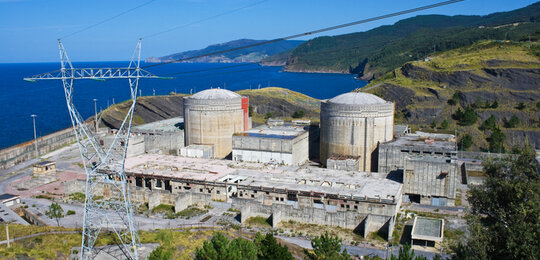
Since the building of the first power stations in the 1950s and 60s, nuclear power has grown to contribute 9–17 % of worldwide electricity every year. These ‘first-generation’ stations are now approaching the ends of their lives and must be decommissioned. Across the EU, over 200 power stations are due to be decommissioned by 2...
Urban electronic waste (e-waste) contains elements critical to both modern technology and the European economy. Many of these, such as lithium used in batteries, or samarium used in permanent magnets, are produced outside of Europe. As these elements are responsible for the functionality of a technology, they are often referred...
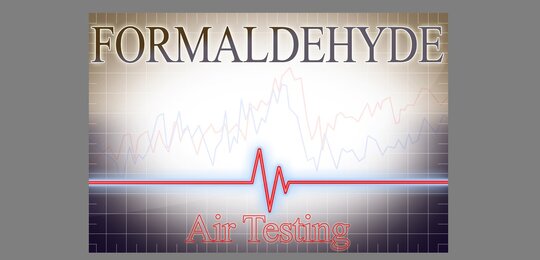
Formaldehyde, also known as methanal, is a colourless, volatile organic compound released from burning wood, tobacco smoke and from paints, varnishes, adhesive, and waxes. Low levels of formaldehyde in the air are considered harmless, but levels can build up to ten times higher indoors compared to the outside. As citizens in de...
Nitrogen dioxide (NO2) gas is a harmful pollutant mainly produced by the combustion of fossil fuels. It can react with water in the atmosphere to form nitric acid (HNO3), producing acid rain, harmful to vulnerable ecosystems. In humans, it can impair lung function and exacerbate respiratory conditions and is a precursor of grou...