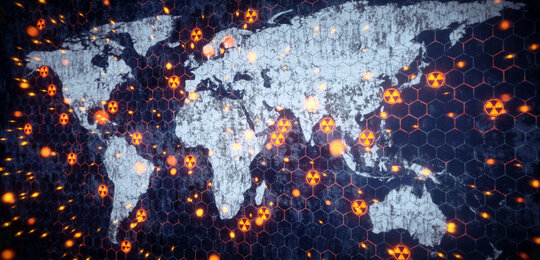
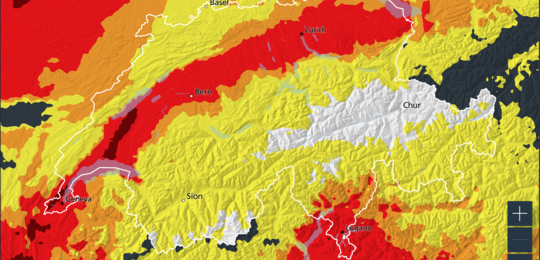
Low frequency sound (below 20 Hz for human hearing) and vibration (0.01-5 Hz) propagating through the atmosphere, oceans and ground are used to detect natural events such as earthquakes, tsunamis and volcanic activity. These frequencies are also indicative of anthropic events including nuclear explosions. To detect these the In...
Air quality has a profound influence on human health and the environment. Poor air quality can trigger respiratory conditions, like asthma or allergies, limiting people’s ability to go about their daily lives or even causing serious medical complications. The World Health Organization estimates that asthma affects 262 million p...
High (10⁻¹-10⁻⁶ Pa) and ultra-high (10⁻⁶-10⁻⁹ Pa) vacuum are indispensable in a range of high-technology industries including preventing atmospheric contamination during integrated circuit fabrication or the deposition of thin films for solar cell or electronic manufacturing.
Vacuum levels are measured by “ionisation gauges” (...
A major contributor to air pollution is a diverse class of low-boiling point chemicals termed “Volatile Organic Compounds” (VOCs). Emitted from natural and anthropogenic sources, thousands of species have been observed in the atmosphere. These include nonmethane hydrocarbons, such as terpenes from plants or benzene from fossil ...
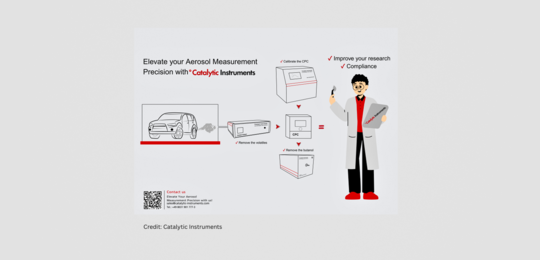
Fine particulate matter with diameter ≤ 2.5 micrometres (PM2.5), is estimated to contribute to 238,000 premature deaths in Europe annually. To align with World Health Organisation (WHO) recommendations, the EU must halve its PM2.5 concentration limits - a goal the Air Quality Standards Directive seeks to achieve by 2030.
Befor...
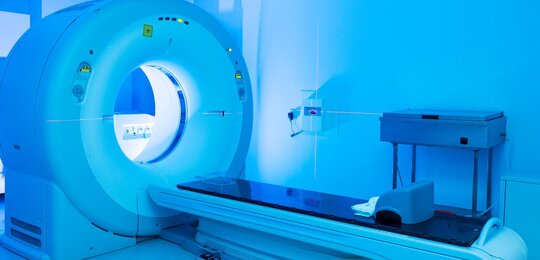
Cancer is the second largest cause of death in Europe. In the last few decades several new treatment modalities have emerged to help reduce the burden of this disease in the population, including, Magnetic Resonance (MR) guided radiotherapy (MRgRT). Magnetic resonance imaging provides detailed images of a patients soft tissues ...