European Metrology Network for Safe and Sustainable Food
The European Metrology Network for Safe and Sustainable Food bridges the gap between research and stakeholder communities in food legislation, control, and industry by acting as a central nucleus for food-related measurement science activities.
Case Studies
Please find below selected case studies from EURAMET's European Metrology Research Programmes (EMRP and EMPIR) that are related to Safe and Sustainable Food:
Ammonia (NH3), a colourless, reactive gas, can cause substantial health damage due to its adverse effects on air quality. Once released into the atmosphere, it can form fine particulate matter (PM2.5) that has been linked to tens of thousands of premature deaths annually. It can also be absorbed by soils and plants, damaging the biodiversity of sen...
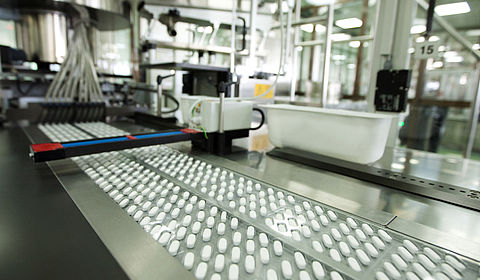
Monitoring and control of humidity are essential requirements in a variety of Europe’s manufacturing industries. For example, humidity affects pharmaceutical and biochemical product quality and storage lifetimes.
Most humidity sensors are based on capacitance measurement technologies that exhibit measurement drift, so regular calibrations are need...
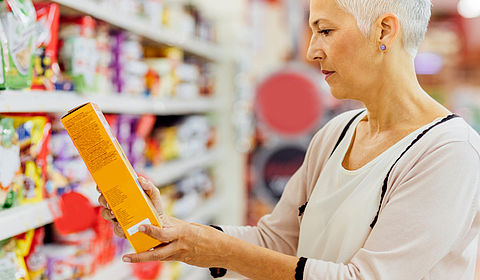
Many products are generated by continuous manufacturing processes. Ensuring that packs conform to producer’s or customer’s requirements relies on verifying the contents of products against specification. This is performed by automatic weighing instruments without human intervention. Products are sent along constantly moving conveyor belts across un...
When released, ammonia reacts with atmospheric acids to form harmful particles which damage the environment, ecosystems and human health. To combat this, the EU National Emission Ceilings Directive has set emissions reduction goals, requiring member states to track ammonia emissions reductions via a network of monitors. These monitors collect ammon...
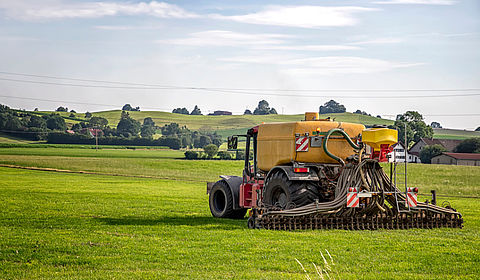
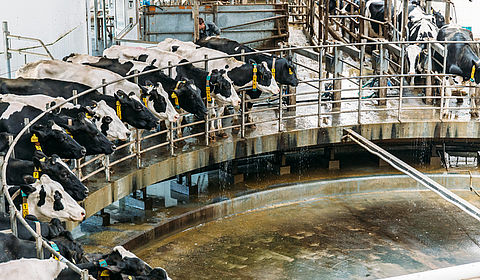
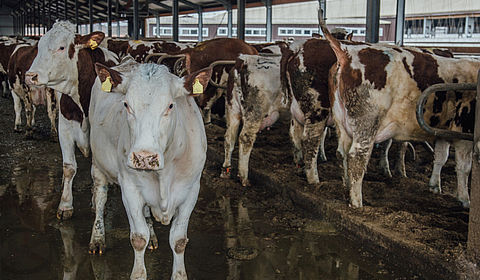
Intensive farming practices, relating to livestock, such as slurry spreading or maintaining herds indoors, are major contributors to ammonia emissions. When released, ammonia can deposit on and damage ecosystems and it can also react with atmospheric gas to produce fine particulate matter (PM2.5) that is hazardous to our health.
The EU’s National ...
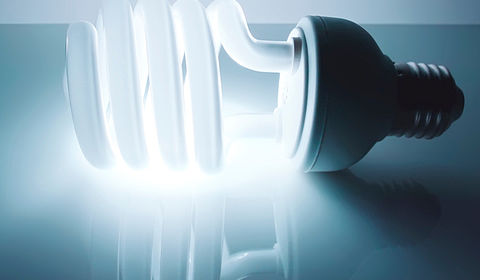
Highly toxic mercury affects the immune system and damages the nervous system. Produced naturally by volcanoes, and forest fires, it is also released during burning fossil fuels and from broken energy saving fluorescent lamps. Once in the atmosphere it bioaccumulates into fish and seafood. For these reasons EU Directives classify mercury as a Prior...
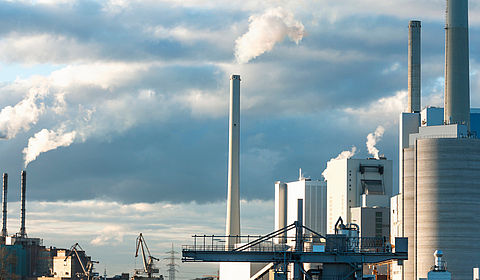
Mercury is a ubiquitous and naturally occurring metal which can be released into the environment through natural processes, but a major source is from human activities such as mining or the use of fossil fuels. Highly toxic in all its forms, mercury compounds can be spread through the air and accumulate in both terrestrial and aquatic bio-systems. ...