
Determining new uncertainty requirements for increasingly stringent legislative HCl industrial emission limits
Building certainty in test methods for industry and regulators
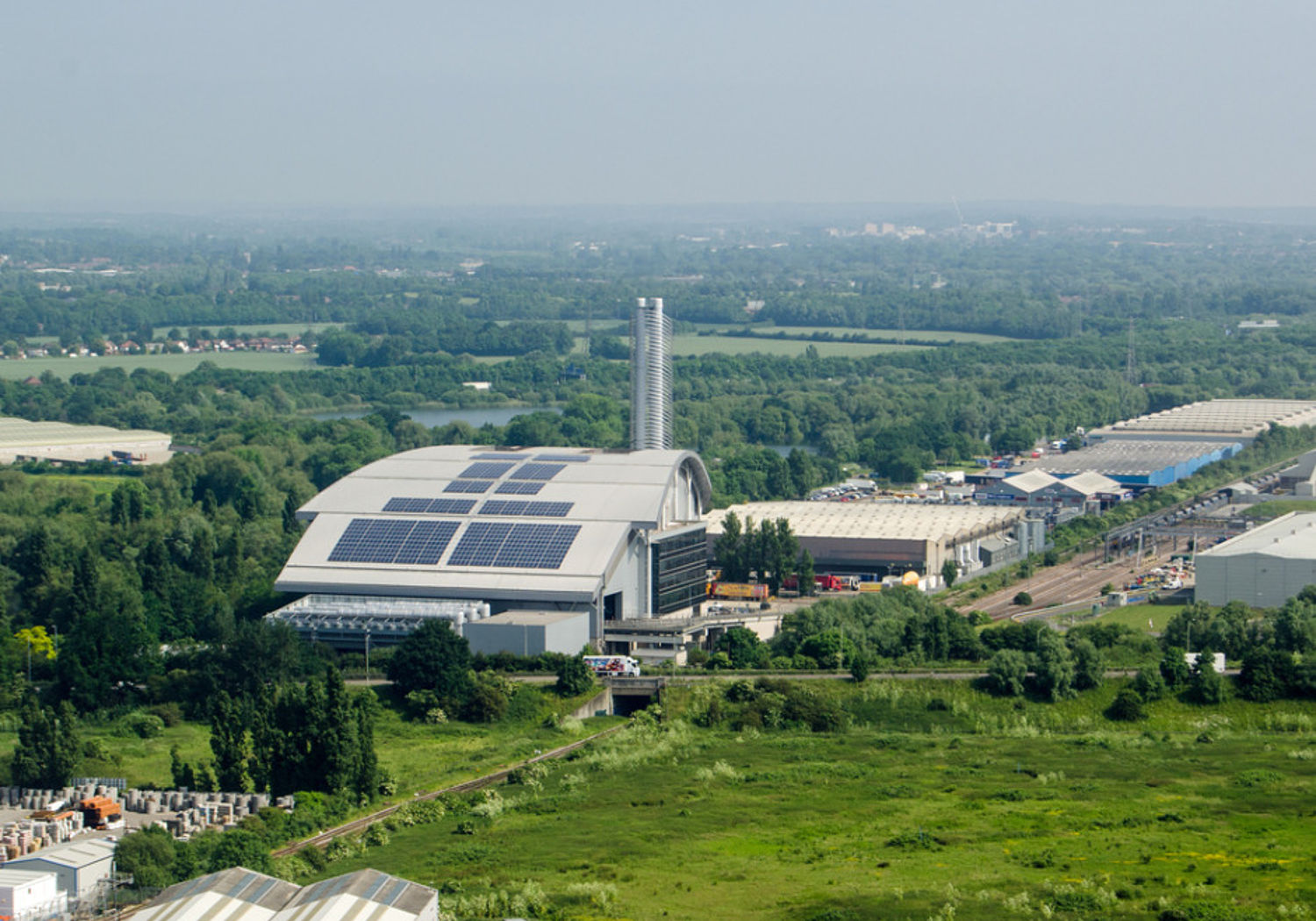
Hydrogen chloride (HCl) is a toxic industrial pollutant, that readily combines with water vapour to form a component of acid rain. It also contributes to the formation photochemical smog. New guidance supporting the EU Industrial Emissions Directive, covering waste incineration, iron and steel production, and power generation, establishes more stringent emission limits, yet current test methods aren’t capable of required levels of accuracy, potentially rendering the directive unenforceable. Input is therefore needed to update best practice guidance, improve test methods and stimulate the development of entirely new test methods.
The project advised on best practice and considered new methods. It has provided data, methods, guidelines and recommendations on uncertainty requirements for industrial HCl emission limits. Data on the performance of portable optical technologies will provide evidence as a potential replacement for the current Standard Reference Method. Improved quality and certainty regarding emissions data will help enforcement bodies and plant operators save costs, while full implementation of the directive and supporting guidance is estimated likely to save around 13,000 premature deaths a year.
Participating EURAMET NMIs and DIs
CMI (Czechia)
MIKES (Finland)
NPL (United Kingdom)
Other Participants
Environment Agency (United Kingdom)
Institut national de l'environnement industriel et des risques ineris (France)
Information