Case Studies

Page 17 of 44.

Combating infections with advanced DNA sequencing

Resistance to antibiotic treatments are responsible for approximately 33,000 deaths a year in Europe and infectious diseases were the leading cause of death among children under five. This includes bacteria that have developed resistance to Carbapenems, considered drugs of ‘last resort’ for Antimicrobial Resistance (AMR) infect...

read more
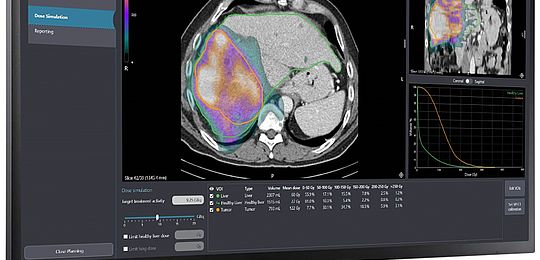
Courtesy of Quirem Medical

Innovation in molecular radiotherapy

In 2020, 2.7 million people in the European Union were diagnosed with cancer and 1.3 million lives were lost to the disease. The EU Commission supports research to improve prevention, detection, diagnosis and treatment of cancer. Quality of life for patients during treatment is also a priority, and is an important factor for ev...

read more

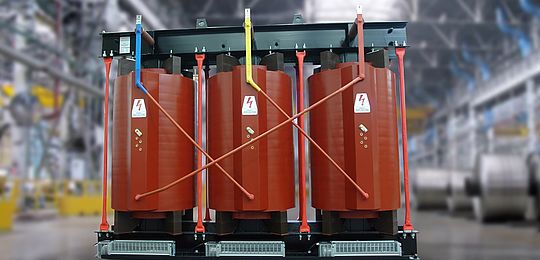
Courtesy of Elkima Trafo

Ensuring the applicability of tests for high voltage networks

Between 0.5 to 3% of all electricity injected into European power grids is lost during transmission. To reduce this network operators are transitioning from high voltage alternating current (HVAC) to high voltage direct current (HVDC) as it is more efficient in transporting electricity and also offers compact overhead lines, un...

read more
Courtesy of GSA

Transnational time transfer via fibre-optics

Global Navigation Satellite Systems (GNSS) have transformed the mobility, safety and security of people and goods. About 7% of the European economy benefits from GNSS applications, a market forecast to be worth €250 billion a year by 2022. Each GNSS satellite emits radio signals encoded with data about the time of transmission...

read more
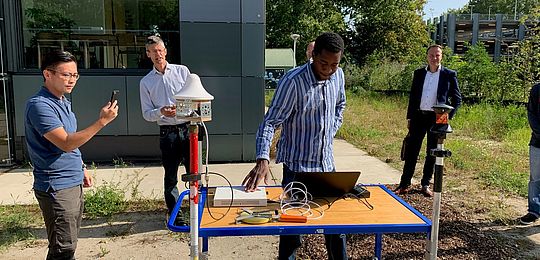
Courtesy of The Green Village

Fibre-optic based wireless positioning

Global Navigation Satellite Systems (GNSS) have become an essential infrastructure, as citizens, industry and the sciences came to rely on its navigation and timing applications. Roughly 7 % of the EU economy benefits from GNSS applications, a market forecast to be worth €250 billion a year by 2022. However, with no backup inf...

read more
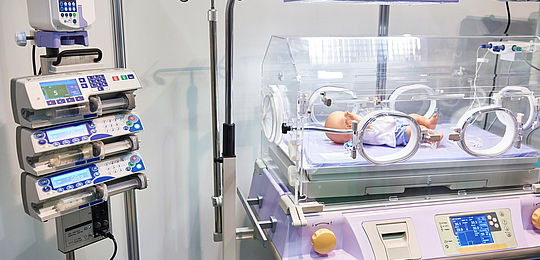
Incubator for newborns and syringe infusion pumps in clinic

Calibration best practice in Standards

Infusion pumps, also known as syringe pumps, are used to automatically deliver critical fluids to patients at precisely programmed rates or intervals. When these devices are used to administer high-risk medications, inaccuracies in delivered flow rates can have significant safety implications; especially for drugs with narrow ...

read more
Page 17 of 44.
Element 1 Element 2 Element 3 Element 1 Element 1 Element 1 Element 1 Element 1 Logo-Footer