
Optimised and justified decision-making in radiological and nuclear emergencies – trustworthy and accurate data for regulators
Improved measurements to support regulation and improve response to nuclear emergencies
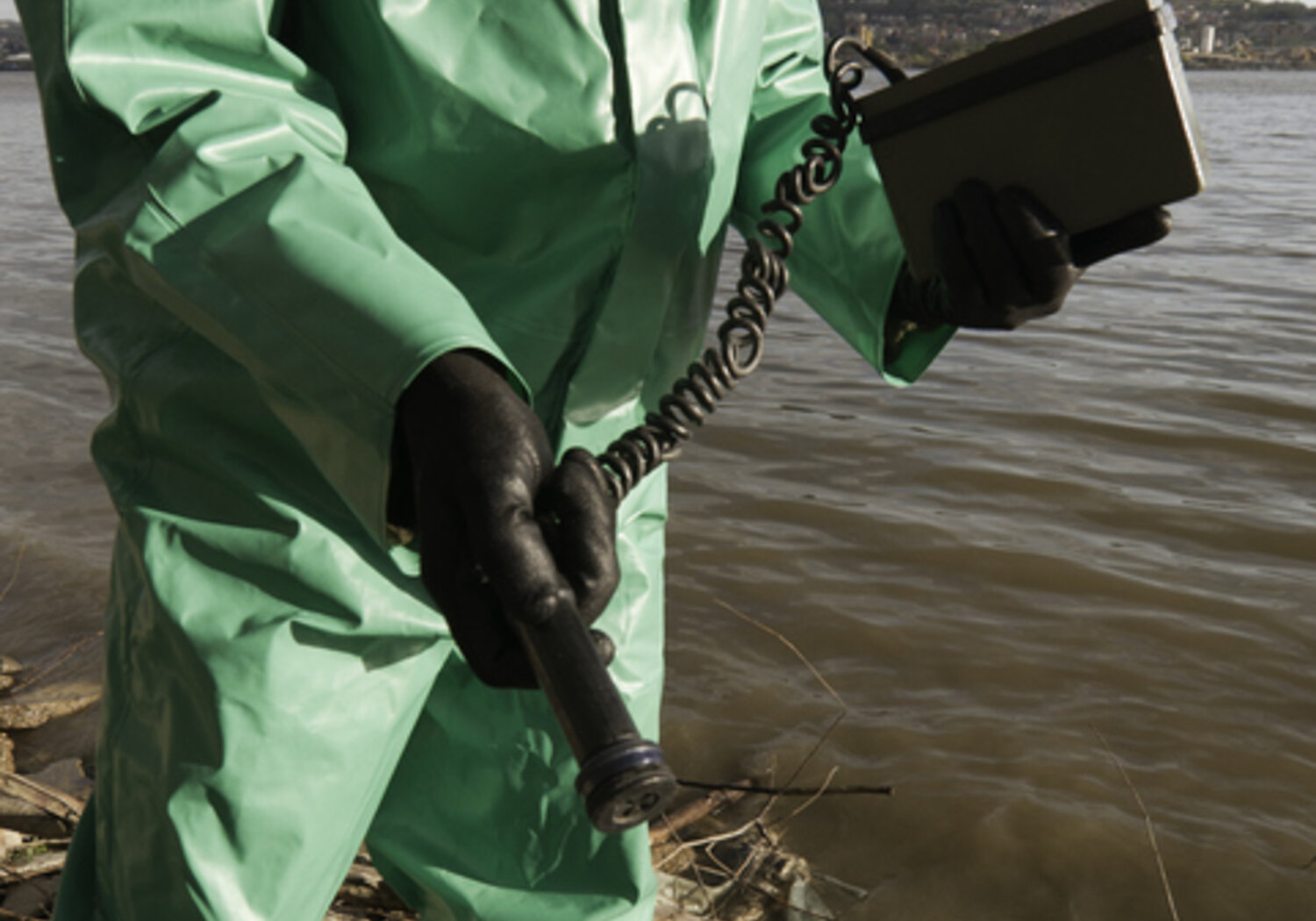
Although rare, when nuclear or radiological disasters happen, rapid and effective response is needed from authorities to help protect the public and the environment. The decisions made to coordinate this response are informed by exposure estimations which draw on data from a number of sources. Authorities typically rely on their own detectors but there is increasing need to incorporate data from emerging sources. These include drones and ‘citizen scientists’ using smartphone-based detectors. The broader picture provided can accelerate coordination between authorities across national and international borders and improve the resolution of measurements. However, these sources bring with them unknown levels of measurement uncertainty and a lack of data comparability due to inexpert operators and differences between devices.
This project will help to reduce uncertainties in nuclear and radiological response by investigating and optimising different strategies, including early warning networks and aerosol sampling. Based on this, measurement methods to ensure safety in food, water and traded goods will be improved and guidance provided to harmonise protective actions across national borders. Recommendations will be created on how to use and interpret measurements from citizens and drones, including guidelines to support regulators and authorities in decision making. The project will also support regulators to implement new radiation protection quantities proposed by legislation and international radiation protection bodies, such as the International Commission on Radiation Units and Measurements (ICRU) Report 95.
These improved guidelines and radiation measurements will better inform both legislation and emergency responses, protecting both humans and the environment.
Participating EURAMET NMIs and DIs
CMI (Czechia)
IMBiH (Bosnia and Herzegovina)
IPQ (Portugal)
IST/LPSR (Portugal)
NPL (United Kingdom)
PTB (Germany)
SCK-CEN/LNK (Belgium)
STUK (Finland)
Other Participants
Elliniki Epitropi Atomikis Energeias (Greece)
Agência Portuguesa do Ambiente, IP (Portugal)
AGES - Oesterreichische Agentur fuer Gesundheit und Ernaehrungssicherheit GmbH (Austria)
Autorité de Sûreté Nucléaire et de Radioprotection (France)
Centralne Laboratorium Ochrony Radiologicznej (Poland)
Fundación Ibercivis (Spain)
Helsingin Yliopisto (Finland)
Institut za nuklearne nauke Vinča, Institut od nacionalnog značaja za Republiku Srbiju, Univerzitet u Beogradu (Serbia)
Mittuniversitetet (Sweden)
Radiacinės saugos centras (Lithuania)
State Enterprise "State Scientific and Technical Center for Nuclear and Radiation Safety" (Ukraine)
Universitat Politècnica de Catalunya (Spain)
Information