European Metrology Network for Radiation Protection
Covering the metrological requirements related to radiation protection
Case Studies
Please find below selected case studies from EURAMET's European Metrology Research Programmes (EMRP and EMPIR) that are related to Radiation Protection:
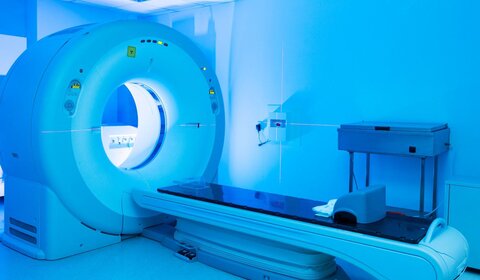
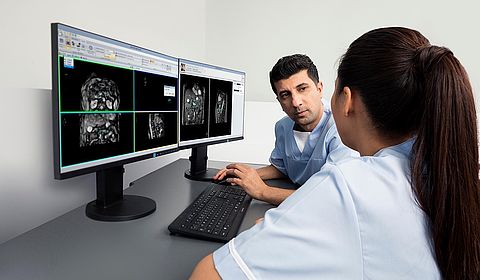
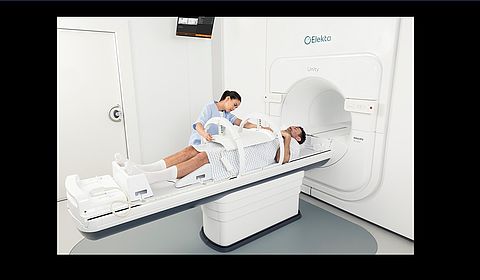
Cancer is the second largest cause of death in Europe. In the last few decades several new treatment modalities have emerged to help reduce the burden of this disease in the population, including, Magnetic Resonance (MR) guided radiotherapy (MRgRT). Magnetic resonance imaging provides detailed images of a patients soft tissues whilst the cancer is ...
Radon (Rn-222) is a radioactive gas released from soil and building materials and is the largest source of public exposure to naturally occurring radiation. Monitoring its levels is important in this regard but can also act as an additional tool for assessing the emissions of Greenhouse Gases (GHGs) such as carbon dioxide (CO2) and methane (CH4), t...
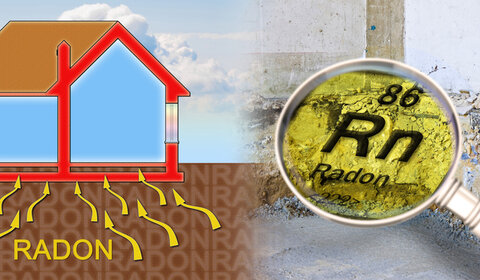
The radioactive gas radon is released naturally from soils and rocks. It can accumulate in buildings and accounts for around half of public exposure to naturally occurring radiation. The World Health Organization therefore recommends mitigation if prolonged exposure to concentrations above 100 Bq/m3 to 300 Bq/m3 is reached. As it undergoes the same...
Radioactive decay occurs in unstable nuclides with an excess of protons or neutrons in the nucleus. Accurate knowledge of the decay process is vital in the nuclear industry where it is used in waste processing, storage, powerplant decommissioning or adherence to Directives such as 2013/59/Euratom on basic safety standards for protection against ion...
Ionizing radiation can cause sickness or even death in those exposed to it. Nuclear incidents can arise by accident or, potentially, by direct acts of terrorism. In both scenarios an accurate knowledge of the amount and type of radiation present is important to allow appropriate decisions and introduce countermeasures.
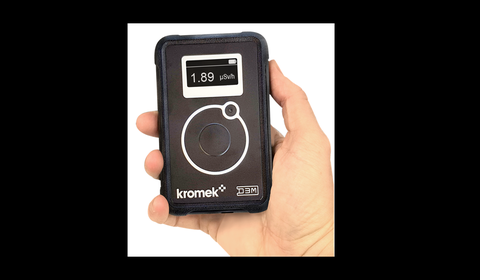
Static radiation monitors of...
Major nuclear disasters are rare but when they occur large amounts of radionuclides, are released. In 1986 explosions at the Chernobyl nuclear power plant (NPP) covered an area of Europe greater than 200 000 km2 with radioactive caesium and other radioactive nucleotides. Twenty-five years later, in 2011, a tsunami disrupted the Fukushima plant send...
Europe’s health services face demands for breakthrough cancer therapies assured as safe, personalised, and able to cost-effectively treat patients.
In 2020, 2.7 million people in the European Union received a cancer diagnosis. About half underwent radiotherapy, including during diagnosis. Image-guided radiation therapies became common for diagnosi...
Should cancer incidence rates rise as predicted, Europe’s health services will face escalating demands for investment in advanced therapies assured as safe, personalised, and cost-effective.
In 2020, 2.7 million people in the European Union received a cancer diagnosis. About half underwent radiotherapy, including during diagnosis. Image-guided rad...
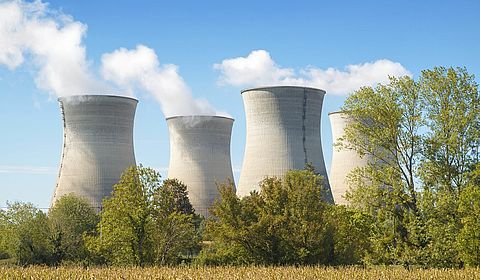
A large proportion of nuclear power plant waste has minimal radioactive content, well below biologically hazardous levels, and once classified as ‘free release’ it can be sent for recycling. However, all nuclear waste is necessarily subject to strict regulations governing its release and the criteria for free release into the environment are partic...
In 2020, 2.7 million people in the European Union were diagnosed with cancer and 1.3 million lives were lost to the disease. The EU Commission supports research to improve prevention, detection, diagnosis and treatment of cancer. Quality of life for patients during treatment is also a priority, and is an important factor for evaluating new therapie...