European Metrology Network for Pollution Monitoring
The European Metrology Network for Pollution Monitoring (EMN PolMon) creates a sustainable metrology infrastructure to support European and international regulations and directives targeting pollution monitoring.
Case Studies
Please find below selected case studies from EURAMET's European Metrology Research Programmes (EMRP and EMPIR) that are related to Pollution Monitoring:
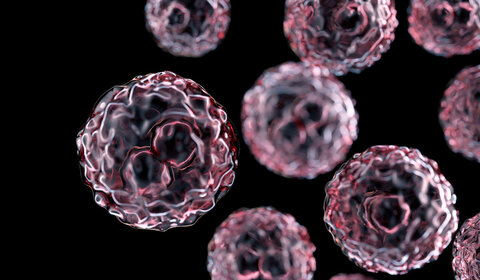
Nanoparticles are becoming increasingly used in a wide range of areas, and thus are expected to soon have a significant economic and environmental impact. In health they are used for targeted drug delivery, and in the energy sector they are used in photovoltaic technologies to improve solar cell efficiency compared to conventional materials. Due to...
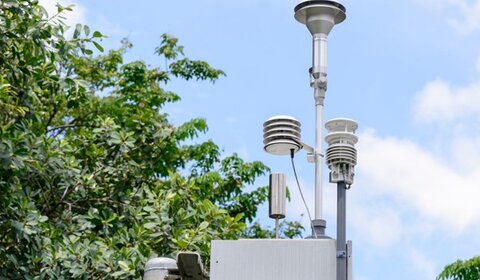
Particulate matter (PM) in air – such as dust, soot, and smoke – poses risks to both human health and the environment. It is estimated that over 500,000 deaths in Europe every year are caused by PM exposure and areas of high PM concentration are associated with reduction in life expectancy of 12-36 months. PM is typically monitored by air monitorin...
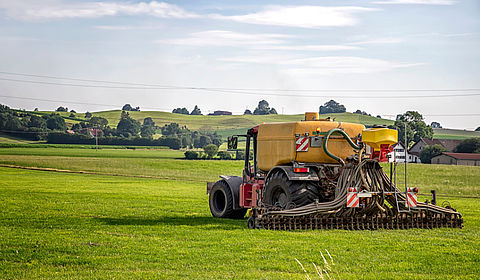
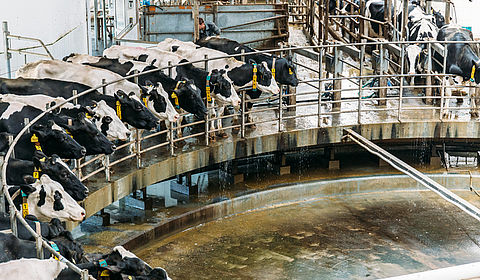
Ammonia (NH3), a colourless, reactive gas, can cause substantial health damage due to its adverse effects on air quality. Once released into the atmosphere, it can form fine particulate matter (PM2.5) that has been linked to tens of thousands of premature deaths annually. It can also be absorbed by soils and plants, damaging the biodiversity of sen...
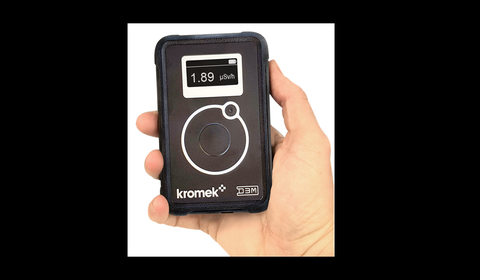
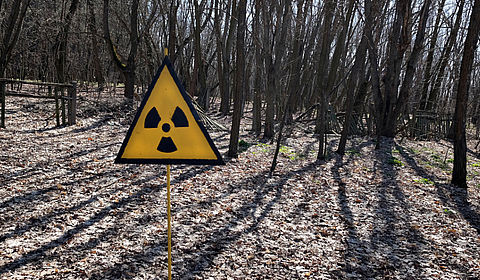
Ionizing radiation can cause sickness or even death in those exposed to it. Nuclear incidents can arise by accident or, potentially, by direct acts of terrorism. In both scenarios an accurate knowledge of the amount and type of radiation present is important to allow appropriate decisions and introduce countermeasures.
Static radiation monitors of...
Major nuclear disasters are rare but when they occur large amounts of radionuclides, are released. In 1986 explosions at the Chernobyl nuclear power plant (NPP) covered an area of Europe greater than 200 000 km2 with radioactive caesium and other radioactive nucleotides. Twenty-five years later, in 2011, a tsunami disrupted the Fukushima plant send...
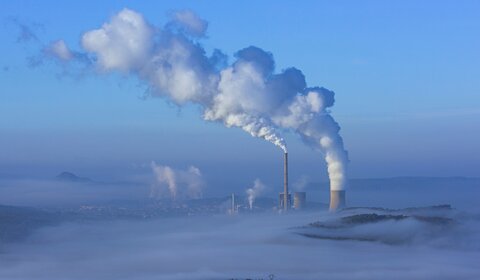
Air pollution remains the main environmental factor in human ill-health, with about 400,000 premature deaths attributed to ambient air pollution annually in the EU.
Industrial processes account for a sizeable share of polluting emissions, including sulfur dioxide (SO2 ), produced by burning fuels containing sulfur compounds and waste incineration....
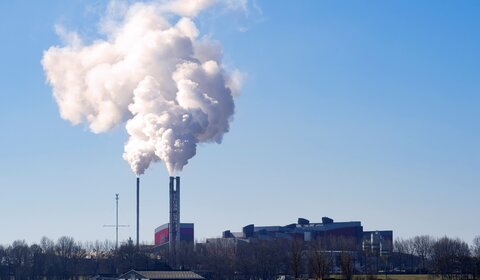
Air pollution remains the main environmental factor in human ill-health, with about 400,000 premature deaths attributed to ambient air pollution annually in the EU.
Industrial processes account for a sizeable share of polluting emissions, including sulfur dioxide (SO2 ), produced by burning fuels containing sulfur compounds and waste incineration....
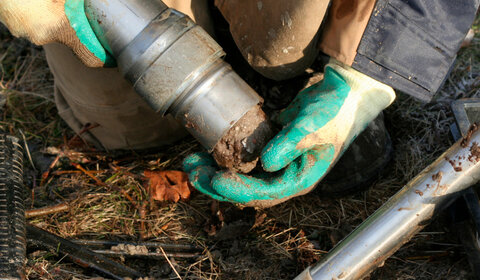
Land reclaimation and redevelpment is converting old industrial sites for new uses such as housing. Ensuring that no lingering contamination remains and that any found is not redistributed to other locations is becoming increasingly important. Construction companies are required to conduct detailed soil analyses to identify pollutants, including me...
Following a major nuclear incident, fast decisions are needed on issues from protecting the public to prevention of contaminated food entering the supply chain. Different radioactive isotopes, or radionuclides, present different risks. For example, radioactive iodine can accumulate in the thyroid gland, whilst caesium on grass consumed by dairy cow...
When released, ammonia reacts with atmospheric acids to form harmful particles which damage the environment, ecosystems and human health. To combat this, the EU National Emission Ceilings Directive has set emissions reduction goals, requiring member states to track ammonia emissions reductions via a network of monitors. These monitors collect ammon...