European Metrology Network for Pollution Monitoring
The European Metrology Network for Pollution Monitoring (EMN PolMon) creates a sustainable metrology infrastructure to support European and international regulations and directives targeting pollution monitoring.
Case Studies
Please find below selected case studies from EURAMET's European Metrology Research Programmes (EMRP and EMPIR) that are related to Pollution Monitoring:
Halogenated gases such as hydrofluorocarbons and chlorine containing compounds, have Global Warming Potentials thousands of times greater than that of carbon dioxide, and can remain in the air for decades to centuries, so even trace amounts can damage the environment. European regulations aim to considerably cut halogenated gas emissions by 2030 bu...
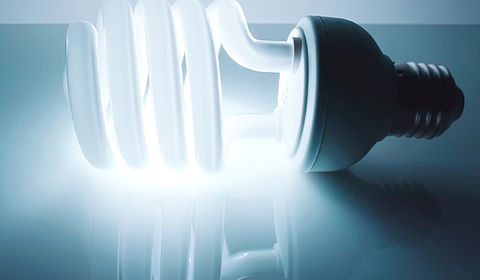
Highly toxic mercury affects the immune system and damages the nervous system. Produced naturally by volcanoes, and forest fires, it is also released during burning fossil fuels and from broken energy saving fluorescent lamps. Once in the atmosphere it bioaccumulates into fish and seafood. For these reasons EU Directives classify mercury as a Prior...
Mercury is a ubiquitous and naturally occurring metal which can be released into the environment through natural processes, but a major source is from human activities such as mining or the use of fossil fuels. Highly toxic in all its forms, mercury compounds can be spread through the air and accumulate in both terrestrial and aquatic bio-systems. ...
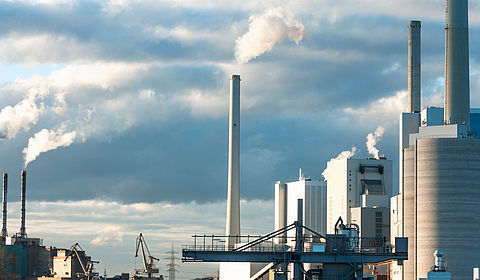
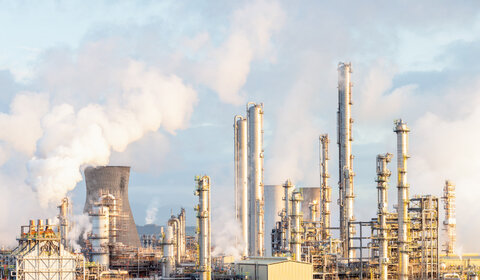
The EU’s Industrial Emissions Directive now requires industrial polluters to monitor emissions from the entire industrial site, including leaks from tanks and pipes in addition to those from stacks to ensure these meet revised lower limits. This Directive sets the framework for operators to demonstrate compliance with mandatory emission limits and ...
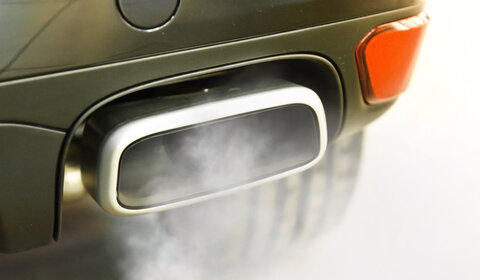
Since their introduction, the Euro regulations have significantly reduced exhaust pollution by progressively decreasing the permitted emissions. As a consequence, the low levels of particulate permitted by the next iteration of Euro regulations, Euro 6c, due to be implemented in September 2017, are now beyond the sensitivity of currently-used techn...
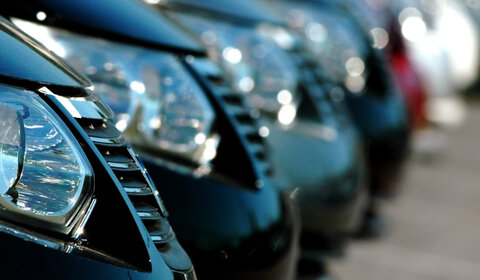
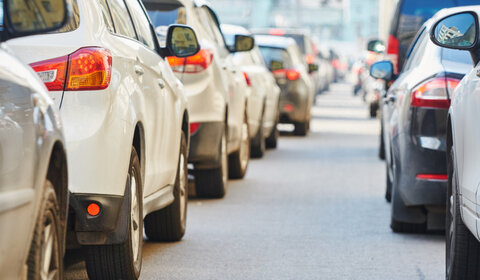
Pollution from road vehicles is regulated to protect ambient air quality and new passenger cars must meet the Euro emissions standards before they can be approved for sale in the EU. However, congested areas such as city centres still suffer from elevated levels of certain pollutants - in particular NO2 , which is associated with adverse effects on...
Congested areas such as city centres still suffer from elevated levels of certain pollutants - in particular NO2 , which is associated with adverse effects on health including reduced life expectancy. To tackle the problem, Switzerland, a leading player striving towards cleaner air, is introducing improved automotive exhaust emissions monitoring. A...
Traces of man-made and naturally occurring volatile organic compounds (VOC) and oxygenated VOCs such as methanol or acetone react with other atmospheric trace gases to create ozone and aerosols, which impact on air quality and climate. Sources of these include fossil fuel and biomass burning, and the use of solvents in paints and coatings. The Worl...
Trace amounts of volatile organic compounds (VOCs), such as formaldehyde, are released into the environment by the manufacture of housing materials such as furnishings, woodbased products, plastics and varnishes and also from the combustion of ethanol added to petrol to reduce carbon monoxide. Traces of formaldehyde can make people feel unwell, and...
Some people find themselves getting headaches or skin and eye irritations in certain buildings. One cause of these symptoms is the presence in air of volatile organic compounds (VOCs), chemicals used in the manufacture of building materials or household products such as furnishing, carpets, wood, and varnishes, which are vaporised at room temperatu...