Case Studies

Page 25 of 43.

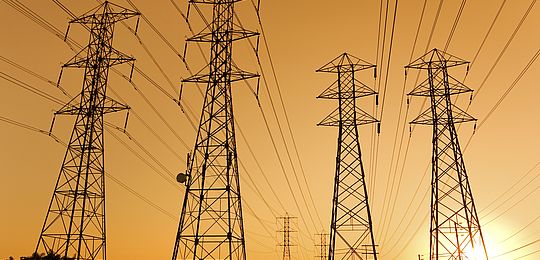
New sensors for the high voltage grid

The increased use of renewables is problematic for electrical networks as these sources of energy can cause harmonics, where the alternating current (AC) is distorted, leading to outages or degraded power quality. To address this, smart grids are being developed which can help stabilise a network by monitoring it in real-time a...

read more

Improving gas plant leak detection

Accidental releases of natural gas from leaky plant equipment wastes resources and contributes to global warming, as its main constituent, methane is a greenhouse gas. Although less persistent in the atmosphere than carbon dioxide, methane has much greater heat-trapping effects. The oil and gas sector is a significant source o...

read more

Fibre-optics for structural integrity

Monitoring the long-term strength of large structures used in the nuclear power industry is essential to safeguard the environment from radioactive contamination. Dykes formed of natural materials such as gravel, clay, or sandy soil provide the constraining banks of major rivers supplying water cooling to nuclear power plant. T...

read more

Forecasting snow-related hazards

The stability of snow cover in mountain regions is highly dependent on the weather – local conditions, for example, will influence the occurrence of avalanches, or river flooding due to an increase in meltwater production. To estimate the risk, networks of weather stations are used to gather the data needed to help forecast the...

read more

Industrial emissions mapping

The EU’s Industrial Emissions Directive now requires industrial polluters to monitor emissions from the entire industrial site, including leaks from tanks and pipes in addition to those from stacks to ensure these meet revised lower limits. This Directive sets the framework for operators to demonstrate compliance with mandatory...

read more

Accurately measuring indoor pollutants

Some people find themselves getting headaches or skin and eye irritations in certain buildings. One cause of these symptoms is the presence in air of volatile organic compounds (VOCs), chemicals used in the manufacture of building materials or household products such as furnishing, carpets, wood, and varnishes, which are vapori...

read more
Page 25 of 43.
Element 1 Element 2 Element 3 Element 1 Element 1 Element 1 Element 1 Element 1 Logo-Footer