Case Studies

Page 28 of 44.

Detecting new pollutants in the air

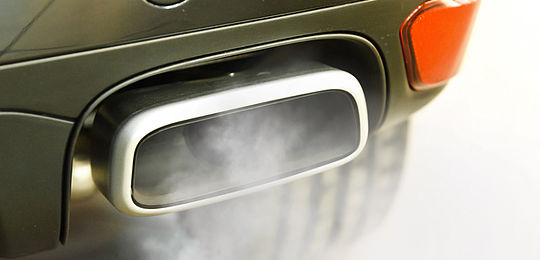
Halogenated gases such as hydrofluorocarbons and chlorine containing compounds, have Global Warming Potentials thousands of times greater than that of carbon dioxide, and can remain in the air for decades to centuries, so even trace amounts can damage the environment. European regulations aim to considerably cut halogenated gas...

read more
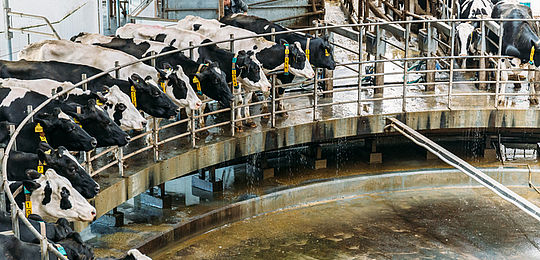
Image showing Milking cows at a dairy farm

Greater accuracy for ammonia monitors

When released, ammonia reacts with atmospheric acids to form harmful particles which damage the environment, ecosystems and human health. To combat this, the EU National Emission Ceilings Directive has set emissions reduction goals, requiring member states to track ammonia emissions reductions via a network of monitors. These m...

read more

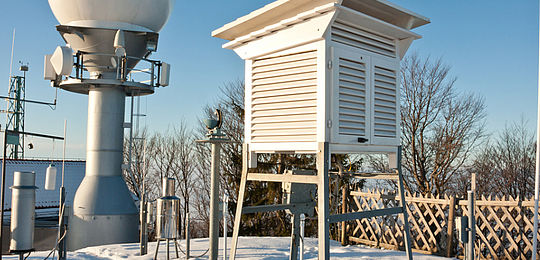
Weather Data for Climate Change

The World Meteorological Organisation (WMO), a specialised agency of the United Nations, oversees global monitoring of the Earth’s weather. This includes maintaining networks of Automatic Weather Stations (AWS) which measure temperature, humidity and pressure around the world, data which is used to make short term local and nat...

read more
Improved Climate Change Monitoring

Around the world, automatic weather stations measure parameters including temperature and humidity, with networks gathering data from multiple locations to generate shorttimescale weather forecasts. This data could also be used to make climate change predictions, but characterising long-term trends, such as global warming, requ...

read more

Better industrial insulation materials

Many production industries, such as steel and glass manufacture and petrochemical refining, run processes at high temperatures, requiring high energy consumption. Insulation materials are needed to minimise heat loss throughout the system. All such materials need certification to confirm their insulation properties. Certificat...

read more

Improving sub-nanometre accuracy

Innovations in nanotechnology are producing novel materials with unique properties, such as the functionalised surfaces that are spurring the development of a new generation of electronics. Verifying that these nanoscale innovations perform as designed relies on measuring their features with sub-nanometre accuracy. Ultra-high-...

read more
Page 28 of 44.
Element 1 Element 2 Element 3 Element 1 Element 1 Element 1 Element 1 Element 1 Logo-Footer